How to Choose a High Quality Paper Tubes Manufacturer
In the rapidly developing packaging industry, paper Tubes have become a mainstream packaging choice in food, daily chemical, and gift sectors due to their environmental friendliness, convenience, and customizability. The selection of a high-quality paper Tubes manufacturer directly determines the quality stability of packaging products, supply chain efficiency, and end-user experience. Inferior manufacturers may cause food shelf-life issues due to poor paper Tubes sealing, or disrupt enterprise production plans due to delayed deliveries. Therefore, mastering scientific selection methods to identify high-quality paper Tubes manufacturers that meet specific needs is crucial for enterprises to reduce operational risks and enhance product competitiveness. This article will start from the core significance of selection and preliminary requirements, clarify evaluation dimensions, recommend suitable corporate products, and provide cooperation implementation suggestions to offer professional references for enterprise decision-making.
Chapter 1: Clarify the Core Significance of Selecting High-Quality Paper Can Manufacturers and Preliminary Requirements
1.1 The Key Value of High-Quality Paper Tubes Manufacturers for Enterprise Cooperation
High-quality paper Tubes manufacturers serve as an "invisible guarantee" for product quality. In the food industry, the sealing performance of spice paper cans and anti-collision capability of wine paper Tubes directly affect product shelf life and transportation loss. High-quality manufacturers can control the sealing leakage rate below 0.1% through mature processes, reducing the risk of food spoilage. In the daily chemical industry, the smoothness of twist-up lipstick paper tubes and appearance precision of perfume paper tubes are critical to user experience. High-quality manufacturers can limit structural failure rates to less than 1% through strict quality control, avoiding customer complaints caused by packaging issues.
Meanwhile, high-quality manufacturers significantly improve supply chain efficiency. On one hand, their sufficient production capacity can meet bulk procurement needs; for example, manufacturers with a daily output of over 100,000 units can fulfill large food enterprises’ monthly demand for 500,000 food paper tubes. On the other hand, they excel at quickly responding to customization needs. For adjustments to custom paper can sizes or printing solutions for customized paper tubes, R&D cycles can be shortened to 3–5 days—far faster than the industry average of 7–10 days—helping enterprises seize market opportunities promptly.
1.2 Preliminary Requirements Enterprises Must Clarify Before Selection
Enterprises must first define paper Tubes application scenarios and corresponding categories to avoid blind screening. For food industry applications, priority should be given to "food-grade materials" and "sealing performance." When purchasing spice paper Tubes, for instance, enterprises should verify whether manufacturers hold food contact material certifications and whether inner linings use food-grade PE films. For daily chemical applications, focus should shift to "structural adaptability" and "appearance texture." When customizing lipstick paper tubes, clarity on tube diameter, twist-up structure compatibility with lipstick specifications, and printing processes to meet brand premiumization needs is essential.
Additionally, enterprises need to quantify core procurement indicators to provide clear criteria for selection. Regarding procurement volume, monthly average demand (e.g., 10,000 or 100,000 units) should be defined to match manufacturer capacity. For delivery cycles, timelines must align with production plans (e.g., whether 7-day emergency delivery is required). For customization scope, specific requirements (e.g., push-up structures for push-up paper tubes or pull-tab designs for sealed paper cans) should be listed to prevent discrepancies during subsequent cooperation.
Chapter 2: Four Core Evaluation Dimensions for Selecting High-Quality Paper Can Manufacturers
2.1 Manufacturer Qualifications and Production Capabilities: Fundamental Guarantee
Qualification certifications serve as the "entry threshold" for screening high-quality manufacturers, especially for food-contact paper cans. Enterprises should verify whether manufacturers hold Production Licenses for Food-Contact Packaging Containers and Tools to ensure compliance with national standard GB 4806.8-2016 for paper food containers and spice paper Tubes. For environmentally focused procurement, confirmation of FSC Forest Certification and recyclable material certifications is necessary to ensure the eco-compliance of kraft paper Tubes and recycled paper boxes.
Production capabilities directly determine a manufacturer’s supply capacity and product stability. Enterprises can evaluate three key aspects:
Production line scale: High-quality manufacturers typically operate 2+ automated production lines, enabling simultaneous production of round paper cans, square paper tubes, and other shapes to avoid delivery disruptions from single-line failures.
Equipment advancement: Manufacturers using high-precision tube winding machines and fully automated printing machines can control paper can size deviations within ±0.1mm—far superior to the ±0.5mm deviation of manual production.
Capacity compatibility: A manufacturer’s maximum monthly capacity should exceed the enterprise’s procurement volume by at least 20%. For example, enterprises requiring 100,000 monthly units should select manufacturers with a monthly capacity of ≥120,000 units to maintain capacity flexibility.
2.2 Product Quality and Quality Control Systems: Core Priority
Paper can material quality is fundamental to performance. Enterprises should focus on verifying base materials and accessories:
Base materials: High-quality kraft paper should have a grammage of ≥250g/㎡ to ensure paper canisters support weights of ≥5kg and avoid deformation during transportation.
Accessories: Inner linings of food-grade paper cans must use odorless, high-temperature-resistant PE films; printing inks for daily chemical paper cans should be eco-friendly to prevent product contamination from migration.
Robust quality control systems ensure consistent quality. High-quality manufacturers implement full-process inspection mechanisms covering "raw materials, production, and delivery":
Raw material inspection: Thickness and tensile strength tests for each batch of kraft paper and PE films upon warehouse entry.
In-process inspection: 10-unit sampling every hour to check the smoothness of twist-up paper tubes and sealing performance of sealed paper cans.
Pre-delivery inspection: Comprehensive checks of appearance, dimensions, and sealing for all products to ensure defective rates ≤0.5%.
Enterprises can request quality inspection reports from the past 3 months to verify implementation effectiveness.
2.3 Customization Capabilities and Service Levels: Value-Added Advantages
Customization capabilities determine whether manufacturers can meet enterprises’ personalized needs. High-quality manufacturers should offer three dimensions of customization:
Size customization: Adjust paper can diameters (30–150mm) and heights (50–300mm) to match product specifications, such as 100mm-tall ice cream paper tubes for ice cream products.
Structural customization: Design special structures like push-up, twist-up, and drawer-style configurations, such as smooth deodorant paper tubes for deodorant products.
Printing customization: Support full-color printing, gold stamping, and UV processes to print brand logos and product instructions on cosmetic paper boxes.
Service levels impact cooperation efficiency and experience:
Pre-sales phase: Professional consultants provide scenario-based recommendations, such as double-sealed spice paper cans for spice enterprises.
In-sales phase: Real-time updates on order progress (e.g., production scheduling, logistics tracking) keep enterprises informed of delivery timelines.
Post-sales phase: 24-hour response to quality issues with return, replacement, or replenishment services to prevent production halts due to packaging problems.
2.4 Industry Reputation and Cooperation Cases: Trust Endorsements
Industry reputation serves as indirect evidence of a manufacturer’s capabilities. Enterprises can gather insights through three channels:
Industry exhibitions (e.g., China Packaging Industry Exhibition): High-quality manufacturers typically exhibit core products, allowing on-site assessments of craftsmanship and customer engagement.
Third-party platforms: Review transaction records and customer feedback on B2B platforms like Alibaba and JD.com, focusing on keywords such as "quality stability" and "on-time delivery."
Peer recommendations: Consult industry peers for feedback on cooperative manufacturers to obtain authentic usage experiences.
Cooperation cases provide direct proof of practical capabilities. Enterprises should prioritize cases from their own industry:
Food enterprises: Verify if manufacturers have served well-known snack brands and review food paper box collaboration outcomes.
Daily chemical enterprises: Reference lipstick paper tube 合作案例 with beauty brands to evaluate structural design and appearance quality.
High-quality manufacturers provide comprehensive case materials, including product specifications, delivery data, and customer feedback, enabling enterprises to assess compatibility.
Chapter 3: Our Company: A Preferred High-Quality Paper Can Supplier
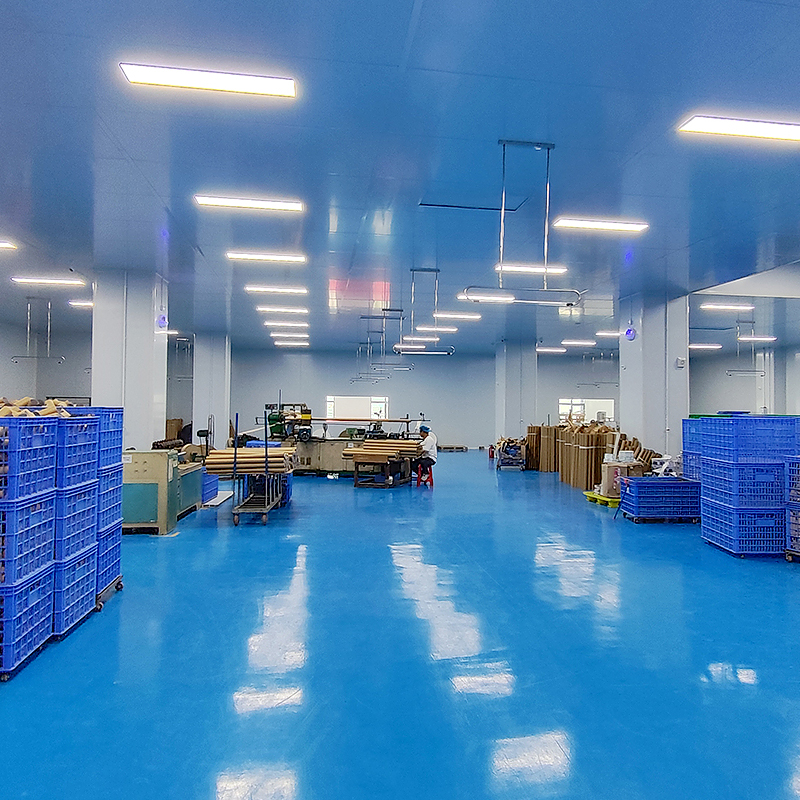
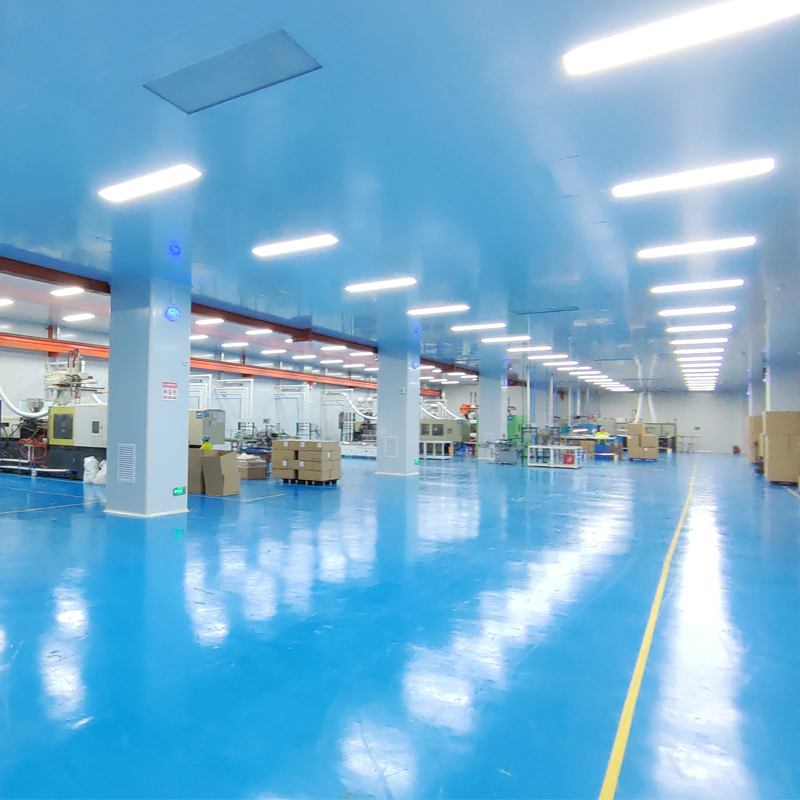
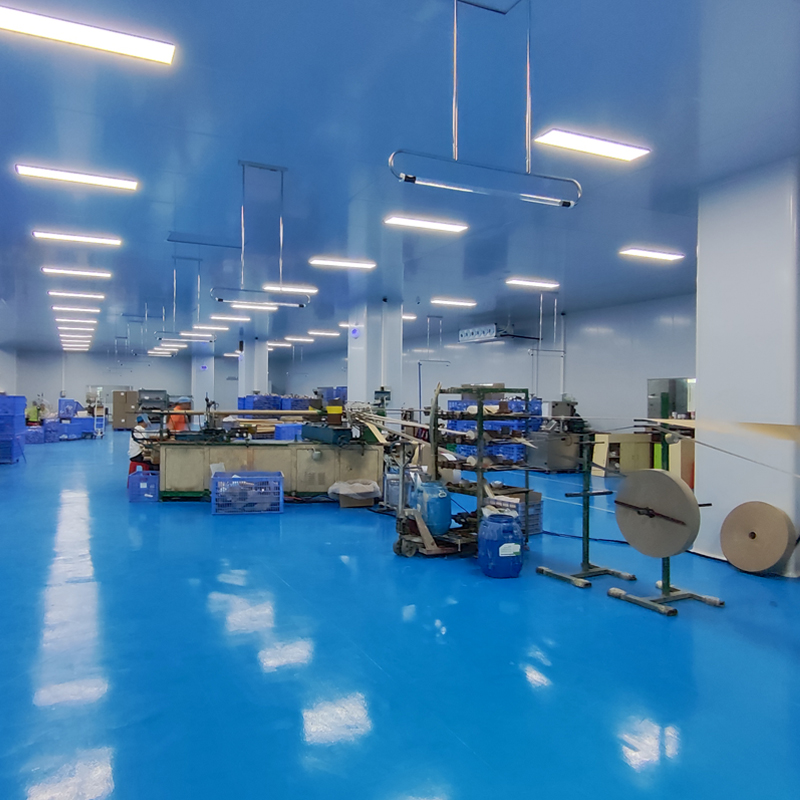
Guangzhou Huihua Packaging Products Co., Ltd. (Huihua Enterprise) has been focusing on packaging production for 18 years. Has complete qualifications and licenses, and the enterprise has passed the ISO9001:2008 management system, FSSC22000 food safety system certification, environmental protection certification, FSC forest certification, import and export rights, self declaration, inspection certificate, general taxpayer qualification certificate, international authoritative inspection agency SGS testing certification, food grade (paper and plastic) industrial production license, high-tech enterprise certification, technology small giant certification, etc.
Chapter 4: Post-Selection Cooperation Implementation and Risk Mitigation Recommendations
4.1 Key Verification Steps Before Cooperation
Sample testing is a "mandatory step" before cooperation. Enterprises should request samples of target paper can categories and test core indicators:
Food paper cans: Sealing (24-hour inverted water test for spice paper cans) and material safety (odor checks, food-grade compliance).
Daily chemical paper cans: Structural stability (50 twist cycles for twist-up paper tubes) and print durability (wet wipe rub tests).
Comparative testing of 2–3 manufacturers’ samples is recommended to identify optimal options.
For large-volume procurement (≥100,000 monthly units), factory visits are critical for risk control. Focus on three aspects:
Production environment: Clean workshops with separate raw material and finished product storage to avoid cross-contamination.
Equipment condition: Automated production lines with regular maintenance records.
Quality control processes: Standardized inspection operations and complete inspection records.
On-site visits help verify production compliance and avoid partnering with "workshop-style" manufacturers.
4.2 Contract Terms and Risk Management During Cooperation
Contract terms act as a "firewall" against cooperation risks. Enterprises should clarify four core clauses:
Quality standards: Specify material requirements (e.g., kraft paper ≥250g/㎡), performance indicators (e.g., sealed paper can leakage ≤0.1%), and defective rate limits (e.g., ≤0.5%), with defined remedies for non-compliance.
Delivery terms: Confirm timelines (e.g., monthly delivery by the 5th), quantity tolerances (e.g., ±5%), and logistics liability (e.g., manufacturer-covered transportation risks).
Customization clauses: Attach detailed design drawings for custom paper cans, specifying size, structure, and printing requirements, with change order procedures and cost terms.
Liability for breach: Define penalties for delayed delivery or substandard quality (e.g., 0.5% of order value per day for delays) to protect enterprise interests.
Efficient communication mechanisms are key to problem-solving during cooperation:
Assign dedicated contacts with weekly progress updates.
Document all communications (emails, chat records) for quality disputes (e.g., discrepancies between custom paper cosmetic containers and samples).
Conduct monthly reviews of quality, delivery, and service. For manufacturers scoring <80/100 for two consecutive months, negotiate improvement plans or activate backup supplier evaluations.
4.3 Long-Term Cooperation Maintenance and Optimization
Maintaining relationships with high-quality manufacturers enables "mutually beneficial cooperation":
Hold quarterly review meetings to share end-user feedback (e.g., suggestions for twist-up paper tubes) and collaborate on product optimization.
Negotiate tiered pricing for increased procurement volumes to reduce costs while boosting manufacturer engagement.
Prioritize partners for new business packaging tenders to enhance loyalty.
Enterprises should also establish a "backup supplier pool" to mitigate single-supplier risks:
Qualify 2–3 alternative high-quality manufacturers.
Procure small batches (1,000–2,000 units) from backups semi-annually to test quality and service.
Switch to backups promptly if primary suppliers face capacity shortages or quality fluctuations to ensure supply chain stability.


Are you in search of a reliable and efficient dust-free paper tube factory?